Monday, December 9, 2024

Tips for Responsible Pet Gifting this Holiday Season


The holidays are here and many of us are struggling to find the ideal gift for our friends and family. Dogs may be the ideal present. They are loving and adorable, and many of them need forever homes. But dogs are also a big responsibility. You must consider various factors to ensure a lasting relationship between pet and owner. This article will discuss the responsible pet gifting tips and reality of dog ownership so you can determine if a pet is the right gift for your recipient.

Consider the Recipient’s Lifestyle

People considering dog adoption to give a dog as a gift must assess various aspects of the recipient’s lifestyle focusing on the following factors.

  • Financial Costs: Owning a dog is you must pay for food, grooming items, neutering, vet visits, bedding, leashes, and possibly training. Ensure the recipient has the financial means to care for the dog.
  • Time Commitment: Pet adoption is considerable time commitment. Dogs must be walked a couple of times a day. You may also want to train the dog, play with them, and take them for grooming and vet appointments. The recipient should have enough time to devote to their dog.
  • Long-Term Commitment: Responsible pet ownership is a long-term commitment. It may not be the best choice for an older adult who may not be able to care for a dog for long due to health issues. You might also avoid gifting dogs to children who may decide they don’t want to care for the pet as they get older.

Preparing the Recipient for Pet Ownership

Let’s say you’ve considered all factors and think your recipient is a good candidate for pet ownership. Now you must ensure you make the right dog adoption choice considering the recipient’s tastes and lifestyle.

Choose the Right Breed

Dog breeds are an important factor in pet ownership. Each breed has characteristics that affect how it will get along with its owner. Here are some to consider:

  • Maintenance: Consider whether the dog is high maintenance in terms of grooming, training, and health needs. A high-maintenance dog may not be right for a busy person.
  • Personality: Some dogs are easy to train, friendly, and loving. Other dogs aren’t as friendly and maybe a bad choice for families with children.
  • Size: A larger dog may not be best for people who live in small spaces. Additionally, some apartments may prohibit large dogs.
  • Aesthetics: Many people choose dogs based on their looks. Choose a dog you think the recipient will find attractive.

Adopt Don’t Shop

Although many breeders are dog lovers, adopting saves dogs from euthanasia. It also reduces overcrowding in shelters. Consult your local shelter or rescue organization to learn about your options.

Prepare for the Initial Costs

Dog ownership requires several upfront costs. You may be taking care of adoption fees, but there is still the expense of food, supplies, and vaccinations. Consider handling these fees or contributing to them.

Educate the Pet Gift Recipient

The gift recipient may be overwhelmed with dog ownership. What vet will they use? What grooming service is best? How will they train their dog?

Help them out by making a list of resources and pet care tips, and don’t forget to include K9U.

K9U is a one-stop dog care for dog owners. We offer grooming, training, boarding, and doggie daycare. Our team provides everything needed to support a well-trained, healthy dog. We even offer special discounts for new dog owners.

Conclusion

Gifting a pet is a wonderful way to celebrate the holiday season. It gives a dog a loving home and provides your loved one with a loyal companion. However, it's essential to ensure the recipient is prepared for responsible pet ownership.

K9U is here to support you every step of the way with a full suite of pet care services. Contact us  to learn how we make responsible pet ownership a reality.

THIS ARTICLE WAS PREVIOUSLY PUBLISHED AT:


Thursday, November 7, 2024

Preparing Your Dog for Winter in Chicago: Essential Tips for Cold Weather Care


Chicago winters can be brutally cold. Just like humans, dogs need extra care to stay safe and comfortable during these chilly months. Urban dog owners face unique challenges, from icy sidewalks to bitter winds. With the right preparation, your dog can enjoy winter to the fullest. This guide will walk you through essential winter care tips for your dog, including winter gear, safe walking practices, indoor exercise options, grooming considerations, and health monitoring to help your pup thrive in the Windy City.


Understanding Your Dog's Winter Biology

The canine body is a masterpiece of adaptive biology, but its responses to cold weather are more complex than most people realize. Your dog's ability to handle winter conditions depends on dogs sophisticated physiological systems that work together to maintain their core body temperature. For example, double-coated breeds like Huskies have a dense undercoat that provides insulation, while short-haired breeds can lose body heat much more rapidly. Understanding these breed-specific differences can help you make better decisions about winter care, such as whether your dog needs additional gear or shorter walks.  For more information on how dogs' bodies adapt to cold weather, see this article from Science News Explores.


Essential Winter Gear for Dogs

Keeping your dog warm is crucial during the winter. Investing in quality winter gear can make all the difference in your dog's comfort. Here are some essentials:


  • Dog Coats: Depending on your dog's breed and size, a coat may be necessary to protect them from extreme cold. Short-haired breeds like Boxers or smaller dogs like Chihuahuas need an extra layer to retain body heat effectively. Make sure the coat is snug but not restrictive, and opt for waterproof materials to keep your dog dry. For urban environments like Chicago, coats with reflective strips are ideal for visibility during evening walks.
  • Booties for Paw Protection: Salt and de-icers can harm your dog's paws. Protect their feet with comfortable, well-fitted booties. If your dog isn't used to wearing booties, practice indoors to help them get accustomed to the feeling. Alternatively, use paw balms or protective waxes to add a layer of protection from harsh chemicals and ice. Look for booties with non-slip soles to help prevent slipping on icy sidewalks.
  • Reflective Gear: With shorter daylight hours, reflective gear is essential for both you and your dog during evening walks. Reflective collars, leashes, or jackets can improve visibility and help keep you both safe on Chicago's busy streets. In an urban setting, visibility is key to avoiding accidents with vehicles or cyclists.

Safe Walking Practices for Winter

Winter walks can be refreshing, but it’s important to take extra precautions. Here are some tips for keeping your dog safe on walks:

Time Your Walks Wisely: When temperatures drop, plan walks during the warmest part of the day to reduce cold stress. This helps reduce the risk of frostbite or hypothermia. In Chicago, this typically means late morning or early afternoon, when the sun is at its highest.

Choose Your Routes Carefully: Stick to plowed paths and avoid icy sidewalks to prevent slips and falls. Salted areas can irritate your dog's paws. Rinse their feet after walks to remove any salt or chemicals. Consider less-trafficked routes to avoid crowded, slippery sidewalks.

Shorter, More Frequent Walks: Instead of long walks, consider taking shorter, more frequent outings. This allows your dog to get fresh air and exercise without prolonged exposure to the cold. Urban environments can be harsh due to wind tunnels between buildings. Keeping walks brief helps protect your dog.


Indoor dog Exercise Options

When the weather outside is frightful, keeping your dog active indoors is essential. Here are some ideas for indoor exercise that work well for urban living:

  • Interactive Toys: Puzzle toys and treat-dispensing toys keep your dog mentally and physically stimulated. These toys are especially useful when outdoor walks are limited. For urban dwellers, toys that require minimal space but offer maximum engagement are ideal.
  • Tug-of-War and Fetch: Use a soft toy for a game of tug-of-war or fetch in a hallway or a spacious room. Clear the area of obstacles to prevent accidents. In small apartments, consider using soft, lightweight toys to avoid damaging furniture.
  • Stair Climbing: If you have stairs in your home or building, supervised stair climbing can be a great way for your dog to burn off some energy. It’s an effective way to get some cardio indoors. However, be mindful of your dog's joints, especially if they are a senior or a larger breed.

Grooming Considerations for Winter

Proper dog grooming is vital during the winter months to maintain your dog’s health and comfort:

  • Keep Their Coat Clean and Dry: Wet fur can lead to chills. Always dry your dog thoroughly after walks, especially if they've been playing in the snow. A clean, well-maintained coat provides better insulation. In urban areas, drying your dog also helps remove pollutants and salt residue.
  • Trim Paw Hair: Trimming the hair around your dog's paws can help prevent ice balls from forming between their toes, which can be painful. Ice balls are more common on salted sidewalks. Trimming can significantly improve your dog's comfort.
  • Moisturize Paws: The cold weather and salt on sidewalks can dry out your dog's paw pads. Use paw balm to keep them moisturized and prevent cracking. Regular moisturizing is especially important for urban dogs that frequently walk on salted pathways.

Health Monitoring and Diet Adjustments

Winter conditions can affect your dog’s health in various ways, so it's important to monitor their well-being:

  • Watch for Signs of Cold Stress: Shivering, whining, and lifting paws off the ground are signs that your dog is too cold. If you notice these signs, bring your dog inside immediately. In Chicago, wind chill can make temperatures feel much colder, so be extra vigilant.
  • Adjust Their Diet: Dogs may need extra calories during the winter to help maintain their body heat, especially if they are spending time outdoors. Talk to your vet about adjusting your dog’s diet if needed. Add more protein to support energy levels during colder months.
  • Hydration is Key: Dogs can become dehydrated just as easily in winter as in summer. Make sure your dog has access to fresh water, and check that outdoor water bowls are not frozen. Indoor heating can dry out the air. Ensure your dog drinks enough water throughout the day.


Socialization and Indoor Play at K9U Chicago

Winter can be a challenging time for dog owners in Chicago, but K9U Chicago offers an excellent solution. Our indoor daycare services provide a safe and engaging environment for dogs to socialize and play, even when it's too cold outside. With spacious play areas, your dog can run, play, and interact with other dogs under trained supervision. This is an ideal option for busy owners or those living in small apartments who may not have the space for active indoor play. K9 University Chicago has one of the largest inside dog play areas in the city.

At K9U, we also offer structured indoor activities that keep dogs physically and mentally stimulated. These activities are tailored to fit the needs of urban dogs who may not get enough exercise during winter. Our experienced staff ensures each dog gets personalized attention in a safe environment, making K9U ideal for maintaining your dog’s socialization and activity levels throughout winter.

Be Proactive this Year With These Winter Dog Care Tips

Preparing your dog for winter in Chicago requires thoughtful planning, from investing in the right winter gear to creating indoor exercise opportunities and keeping a close eye on their health. With the right care, your dog can stay safe, healthy, and happy throughout the cold months. For more support, consider K9U Chicago’s daycare and indoor play services to help your dog thrive during winter. Reach out to us today to learn more about how we can make this winter enjoyable for your furry friend.

Common Questions we get about Dog Care During Chicago Winters

What type of coat is best for my dog during winter in Chicago?

A well-fitting, waterproof winter coat is essential for your dog during the Chicago winter. Look for coats that are snug but not restrictive, with coverage for the chest and back. For short-haired or small breeds, coats with additional insulation are ideal to help retain body heat. Breeds like Chihuahuas, Boxers, and Greyhounds benefit most from thicker coats, whereas double-coated breeds may need lighter layers for particularly cold days. Reflective strips are also recommended for visibility during evening walks in the city.

How can I protect my dog's paws from salt and ice?

Protecting your dog’s paws is crucial in winter. Salt, ice, and chemical deicers can cause irritation, burns, and discomfort. Here are several methods to keep your dog's paws safe:

  • Booties: Comfortable, well-fitted booties provide the best protection for your dog's paws from salt, ice, and cold surfaces. Practice indoors to get your dog used to them before venturing out.
  • Paw Balm: If your dog doesn't tolerate booties, apply a paw balm before walks to create a protective barrier against salt and chemicals. Reapply after walks to soothe any irritation.
  • Protective Waxes: Products like Musher's Secret are protective waxes specifically formulated to create a semi-permeable shield on your dog's paws, providing an alternative to booties.
  • Rinse and Dry: After walks, rinse your dog’s paws with warm water to remove salt and chemicals, and dry them thoroughly to prevent irritation or infection.
  • Paw Washing Station: Set up a small paw washing station at home with a basin of warm water and a clean towel to make rinsing your dog's paws easier and more consistent after every walk.
  • Paw Trimming: Trim the hair between your dog's paw pads to prevent ice balls from forming, which can be painful and make walking difficult.

 Is it safe to take my dog for walks during extremely cold weather?

Walking your dog during extremely cold weather can be safe if precautions are taken. Limit walks to the warmest part of the day, typically late morning or early afternoon. Dress your dog in appropriate winter gear, including a coat and booties. Keep walks shorter—around 10-15 minutes—and watch for signs of discomfort such as shivering or lifting paws off the ground. If the temperature or wind chill is dangerously low, consider skipping the walk and opting for indoor play instead to keep your dog safe from frostbite and hypothermia..

Where can I find pet-friendly indoor spaces in Chicago?

Chicago has several pet-friendly indoor spaces where you can keep your dog active during winter. Consider taking your dog to local indoor dog parks, such as Wiggly Field Dog Park (indoor location), or K9U Chicago, which offers indoor play areas. Many Chicago pet stores also host events that allow dogs to socialize indoors. Check with local facilities and always call ahead to confirm their pet policy.

How do I handle my dog’s behavior when we’re stuck indoors for long periods?

Long indoor periods can make dogs restless. To manage your dog’s behavior, provide plenty of mental stimulation. Puzzle toys, treat-dispensing toys, and training exercises can help engage your dog’s mind. You can also try rotating toys to keep things interesting. Physical activity, like supervised stair climbing or playing fetch in a safe space, can also help burn off energy. Setting a schedule for indoor activities can create a routine that keeps your dog entertained.

Are there any local Chicago organizations that help with winter pet safety?

Yes, there are several organizations in Chicago dedicated to pet safety and well-being. PAWS Chicago is a great resource for pet owners, providing winter care tips and support services. The Anti-Cruelty Society also offers educational resources and even supplies like coats and booties for pets in need. Reach out to these organizations if you need assistance or advice on winter pet safety.

THIS ARTICLE WAS PREVIOUSLY PUBLISHED AT:

Tuesday, September 24, 2024

The Importance of Fecal Testing for Dogs (and How K9U Simplifies the Process)


Dog owners must be familiar with the various aspects of pet care. Fecal testing plays an essential role in detecting intestinal parasites that can cause discomfort and health issues and may even be passed on to humans. It should be performed several times throughout a dog’s first year and every six months as the dog ages.

K9U Chicago cares for our pack. That’s why we require fecal testing for every dog that uses our services. If your dog is not up to date on fecal testing, we can provide it at our location, hassle-free.

What Is Fecal Testing?

For fecal testing, the owner will bring in a sample for the vet to examine. In most instances, the vet will mix the sample with a special solution and either spin it at a high speed or allow it to sit for a predetermined period. The aim is to get parasites and parasite eggs (if present) to rise to the top of the bottle for detection purposes.

Vets may also perform a fecal smear which requires placing a small sample of your dog's feces on a slide and examining it under a microscope. This method is typically used to detect Giardia, the most common type of dog parasite, but it can also reveal other information on your dog’s intestinal health.

What Parasites Does Fecal Testing Detect?

Fecal testing can detect various common parasites including:

  • Roundworms: Parasites in a dog’s intestines that can cause various health issues.
  • Hookworms: These infectious parasites can easily be transferred to other dogs.
  • Giardia: This common parasite can affect up to 45% of dogs in some populations.
  • Whipworms: Whipworms attach to the lining of the dog’s intestine causing serious health conditions.
  • Coccidia: These microscopic parasites infect the dog’s intestinal tract causing weight loss, diarrhea, and dehydration.

Health Risks Detected by Fecal Testing

Parasites may cause symptoms like diarrhea, vomiting, weight loss, distended belly, lethargy, weakness, anemia, and pale gums. But in some instances, it is not symptomatic. That’s why fecal testing is so important.

If parasites are left untreated, they can lead to:

  • Organ Damage: Parasites can damage your dog’s intestines and vital organs.
  • Intestinal Blockage: Tapeworms can cause intestinal blockage leading to nausea, pain, and constipation.
  • Stunted Growth: Parasites can interfere with growth in younger dogs.
  • Transmission of Disease: A parasite can carry diseases like Lyme disease and Ehrlichiosis that can be transmitted to other dogs and people. The parasites themselves can also spread to other pets and people.
  • Blood Loss: Dogs with parasites may experience blood loss leading to pale gums, weakness, and anemia.

How Often Should Dogs Be Tested?

Dogs should undergo fecal testing several times in the first year of life. From then on, fecal testing is recommended every six months. However, you may get your dog tested more often if they are exposed to communal environments like daycare and boarding centers.

K9U’s Convenient Fecal Testing Service

K9U requires that all dogs receive fecal testing before attending our daycare and boarding centers. If your dog does not have records of current testing, we can perform a test in-house saving you the hassle of scheduling a vet visit. We work with Antech Diagnostics for reliable parasite screening and can deliver results by the next day.

Vaccinations and Fecal Testing: A Holistic Approach to Pet Health

Fecal testing is just a part of regular pet care. Dogs should also receive the following core vaccines:

  • Canine distemper/adenovirus-2/hepatitis/parvovirus/ parainfluenza: This is often administered as one vaccine referred to as DA2PP, DHPP, or DAPP
  • Rabies virus

Dogs may also receive non-core vaccines depending on geographic locations and how often they partake in communal activities:

  • Bordetella bronchiseptica (kennel cough) vaccine
  • Leptospira (leptospirosis ) vaccine
  • Borrelia burgdorferi (Lyme Disease) vaccine
  • H3N2/H3N8 (canine influenza) vaccine
  • Crotalux atrox (rattlesnake) vaccine

Proactive Health Measures at K9U

K9U oversees various aspects of canine health. Our daycare and boarding facilities ensure dogs get the socialization and training they need. We also provide grooming and fecal testing services that benefit physical health and maintain clean environments to keep our centers free of disease.

Contact us to learn more about our comprehensive training and care packages.

THIS ARTICLE WAS PREVIOUSLY PUBLISHED AT: https://k9uchicago.com/blog/the-importance-of-fecal-testing-for-dogs/

Monday, September 23, 2024

How Therapy Dogs Help City Folks Deal with Stress

How Therapy Dogs Help City Folks Deal with Stress

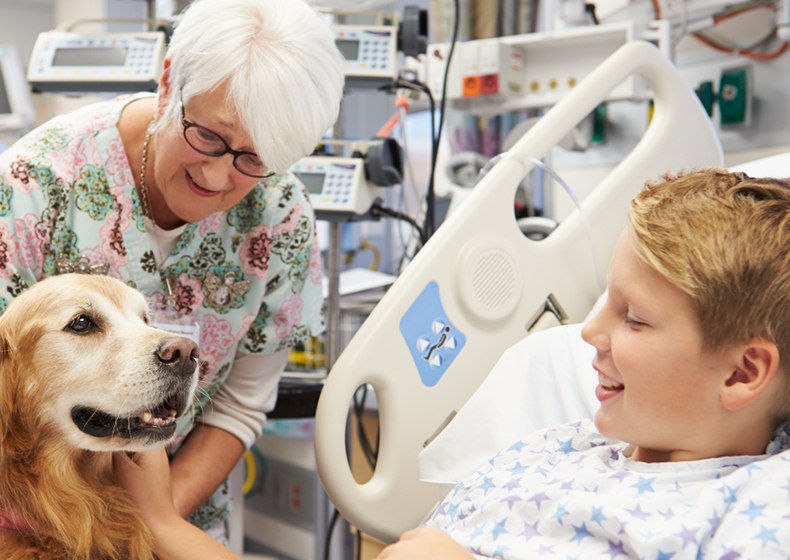
Dogs are becoming widely recognized for their ability to provide emotional support.  The trend became even more popular after the 2024 Olympics introduced its first official therapy dog.  A Golden Retriever named Beacon was one of 11 therapy dogs to provide affection, comfort, and support to the gymnasts hoping to qualify for Team USA.  Although she did not go to Paris, talks are already underway concerning Olympic therapy dogs at the 2028 Olympics.  If therapy dogs can make such a difference at the Olympics, imagine the impact they can have on city dwellers dealing with daily stress. Therapy dogs are becoming an essential part of urban stress relief, particularly in bustling cities like Chicago.  For city dwellers, these trained companions offer a unique way to manage anxiety and improve mental well-being. So, what are the benefits of therapy dogs in general and for Chicago city dwellers?

Therapy Dogs at the Olympics

Beacon was a valuable outlet for the gymnasts competing for a spot on Team USA. Owner Callahan Molnar described how the gymnasts turned to the dog to discuss, “their pets or another dog experience.  Or maybe it’s an ache or pain or something they’re nervous about in the competition.”

She described how Beacon served as a listening board for the gymnasts. Molnar talked about how Beacon would sit on the ground so the athletes could get down next to her and rub her belly. She felt touched when gold medal-winning Olympian Suni Lee said, “Thank God for Beacon.”

Molnar said therapy happens when a person connects with the dog. She also said physical proximity helps.

The increasing visibility of therapy dogs in high-profile settings means humans are more likely to adopt them in their lives. They are especially useful in urban settings that promote stress and anxiety. Dogs can serve as, well, a beacon in the storm.

Urban Wellness and the Role of Therapy Dogs

How Therapy Dogs Provide Urban Stress Relief in Chicago

City dwellers are prone to stress. The pollution, noise, and hustle and bustle of everyday life can become too much. Additionally, despite the 24/7 activity, many urbanites suffer from loneliness and depression.

Dogs provide companionship and support. They can also smell happiness and fear in humans. This sense of empathy helps them act accordingly offering comfort to their owners.

Case Studies and Examples of the Benefits of Therapy Dogs

An NIH study looks at the value of therapy dogs in urban communities. Dr. Ann Berger discussed their ability to provide support. “Dogs are very present. If someone is struggling with something, they know to sit there and be loving. Their attention is focused on the person all the time.”

Animal interaction promotes the production of serotonin and oxytocin, feel-good chemicals that improve mood, aid relaxation, and lower blood pressure. A HABRI Benchmark Survey of U.S. Pet Owners revealed that 74% of pet owners report mental health benefits with pet ownership. 54% also said they experienced physical health improvements.

The Role of K9U

K9U supports the dog therapy trend with dog training in Chicago. We provide basic obedience and reactivity/aggression training to ensure your dog is well-behaved and can focus on your wellness needs. Our training services are suited for dogs of all ages.

Clients can choose from various training programs. With Day Training, you can leave your dog here in the morning so they can enjoy a day of training while you’re at work. Boarding and Training offers a full-time, comprehensive experience. Private Training is customized to your dog’s needs.

City life can get rough, especially in a busy city like Chicago. Therapy dogs can support mental wellness reducing feelings of stress, anxiety, and depression.   For those in Chicago looking to improve their mental wellness, therapy dogs offer a proven solution for managing urban stress. Through targeted training and support, these dogs can make a significant difference in city living.

K9U dog training will help them achieve an attitude to provide the emotional assistance you require.

Contact us to book your first training session today.

THIS ARTICLE WAS PREVIOUSLY PUBLISHED AT:  https://k9uchicago.com/blog/therapy-dogs-urban-wellness-chicago/


https://k9uchicago.com/blog/therapy-dogs-urban-wellness-chicago/

Thursday, August 22, 2024

Canine Cognition: Stimulating Games and Puzzles for Urban Dogs

Canine Cognition: Stimulating Games and Puzzles for Urban Dogs

It’s sad but true. Like humans, canine cognition decreases over time. Dogs can experience dementia and other forms of mental decline. They may exhibit confusion, withdraw from social activities, have accidents, and show other signs that they are not themselves.  While scientists are unsure what causes canine cognitive dysfunction (CCD), they know stimulating dog intelligence games and puzzles can help. In addition to preventing dementia, these activities will make your dog happy and help them reach developmental goals. This article will discuss canine cognition and suggest games and activities that will keep your dog’s mind sharp.

What is Canine Cognition?

The Canine Cognition Center at Yale was established in 2013 to explore all aspects of the dog mind and determine what makes them different from humans. It was found that, in some respects, dogs can outsmart humans.


For example, human babies tend to over-imitate. If they see an adult perform a task, they copy their movements when performing the same tasks.
If dogs see a human complete a task, such as retrieving a treat, they will eliminate the extraneous steps and focus only on the moves required to get the treat.
Researchers continue to conduct studies to determine how canine cognition varies between dogs and humans and different dog breeds. However, there is no doubt that dogs are intelligent beings.
 

Why Mental Stimulation is Crucial for Urban Dogs

Why Mental Stimulation is Crucial for Urban Dogs

Mental stimulation is essential for urban dogs. Dogs that don’t receive stimulation become bored and depressed. They may act out by destroying furniture and becoming aggressive.

Canines can benefit by engaging in urban dog activities. A study published on Springer Link revealed that dogs who enjoy physical activity tend to exhibit better cognitive abilities. It also showed that life-long training can enhance cognitive performance.

How Dogs Learn

Research shows that dogs learn through classical or operant conditioning. Classical conditioning occurs when a dog learns to associate two stimuli with each other. For example, if the owner rings a bell before mealtime every day, the dog will expect food every time they hear the bell.

Operant conditioning involves the dog learning how their actions will lead to certain outcomes. For example, they learn that if they behave properly, they will receive a treat.

Many dog owners expand on classical and operant conditioning to teach their dogs through positive reinforcement. They give their dogs treats to encourage them to continue exhibiting the desired behavior. It is a preferred training strategy for most dog owners.

Dog Puzzles and Games for Mental Stimulation

Several dog puzzles and games boost mental stimulation. You may consider purchasing the following items to maintain your dog’s cognitive abilities.

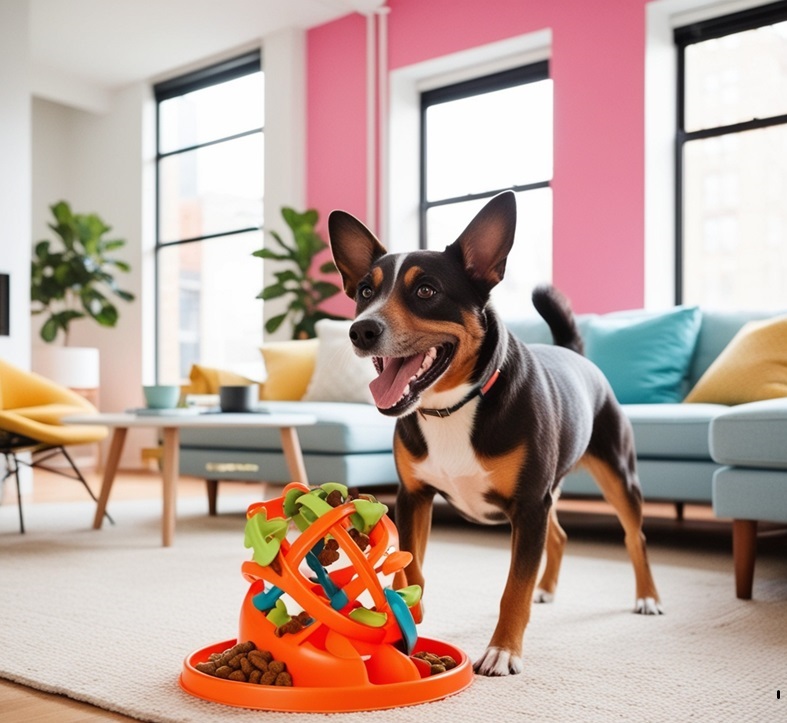
- Food Puzzles: Food puzzles refer to any device dogs must maneuver around to find treats hidden inside. Dogs may lick, paw, roll, and toss to access their treats and sharpen their senses.

- Interactive Dog Toys: Interactive dog toys come in all shapes and sizes. A squeaky toy will capture a dog’s attention and encourage them to chew and play. Toys that roll or bounce will encourage dogs to determine their direction and chase after them.

DIY Cognitive Games at Home

You can also mentally stimulate your dog without spending any money. Dog intelligence games can easily be worked into your everyday routine using items you already have in your home. Your dog will benefit from the following activities:

- Dog Tricks: Teach your dog tricks to stimulate their brain. Any trick can help with canine cognition. Encourage them to sit, give a paw, close the door, or shake hands to keep their mind sharp.

- Scatter Feeding: This activity involves hiding your dog’s food in different areas of the home. They will sniff to seek out their food and stimulate their senses.

- Obstacle Courses: Set up an obstacle course in your yard using old tires, toys, mops, brooms, and bed sheets. Have your dog navigate around it for stimulating fun.

How K9U’s Cognitive Training Can Transform Your Dog

Are you concerned your dog isn’t getting enough stimulation to reduce canine cognitive decline? K9U can help.

Our Doggie Daycare offers 29,000 square feet of indoor and outdoor play space. Your dog will socialize with other dogs while enjoying supervised playtime. They will learn key social skills and get the individualized care they require.

We also provide Dog Training for puppies and adults. We offer beginner and advanced obedience classes, intensive boot camps, specialized nose work, and group socialization.  All our classes are based on the positive reinforcement principles. Your dog will get the training they require to prevent aggressive behavior and boost their cognitive abilities.

K9U will keep your dog stimulated. Contact us today to book your daycare or training session.

Dog Cognition FAQs

What are the signs of canine cognitive dysfunction?

Canine cognitive dysfunction (CCD) shares similarities with human dementia and presents several signs. Early indicators include:

- Disorientation and confusion
- Changes in sleeping patterns and increased restlessness at night
- Decreased interest in playing, interacting with family members, or engaging in activities previously enjoyed
- Having accidents indoors despite being house-trained
- Increased anxiety or irritability If you observe these symptoms in your dog, it’s essential to consult a veterinarian for an accurate diagnosis and appropriate management plan.

How often should I engage my dog in cognitive activities?

Engaging your dog in cognitive activities daily is optimal for maintaining their mental health. Aim for at least 15-30 minutes of mental stimulation each day. Incorporate a variety of games and puzzles to keep your dog interested and challenged. Consistent, daily mental exercise can significantly enhance your dog's cognitive abilities and overall happiness.

Can older dogs benefit from cognitive games?

Yes, older dogs can greatly benefit from cognitive games. These activities help to slow down cognitive decline and keep their minds sharp. Engaging senior dogs in age-appropriate puzzles and games can improve their quality of life, reduce anxiety, and maintain their cognitive functions. It’s important to select activities that match their physical abilities and cognitive level to ensure they remain enjoyable and effective.

What are the best toys for stimulating a dog's mind?

The best toys for stimulating a dog's mind include:

- Food Puzzles: Toys like KONGs, treat-dispensing balls, and puzzle feeders that require dogs to figure out how to access treats.
- Interactive Toys: Squeaky toys, toys that roll or bounce unpredictably, and interactive plush toys with hidden compartments.
- Snuffle Mats: Mats with fabric strips where treats can be hidden, encouraging dogs to use their noses and paws to find them.
- Chew Toys: Durable chew toys that keep dogs occupied and help maintain dental health. These toys challenge a dog's problem-solving skills and keep them engaged for extended periods.

How does K9U personalize training for different dogs?

K9U personalizes training by tailoring programs to the individual needs, temperament, and learning style of each dog. Our positive reinforcement techniques ensure a fun and effective learning experience. We offer various classes and activities, including beginner and advanced obedience, intensive boot camps, specialized nose work, and group socialization. By assessing each dog's unique characteristics and adjusting the training approach accordingly, K9U provides effective learning outcomes and long-lasting behavioral improvements.

THIS ARTICLE WAS PREVIOUSLY PUBLISHED AT: https://k9uchicago.com/blog/cognitive-games-puzzles-urban-dogs/

Tuesday, July 9, 2024

How to Ensure Your Dog’s Wellness During Vacations

How to Ensure Your Dog’s Wellness During Vacations

Vacation season is upon us. If you have a pet, you would want to secure their wellness while you are away. Who will the dog stay with? Will they feel anxious when you’re gone? Many of us worry about these details, but with the right preparation, you can ensure dog wellness during vacations and have an stress-free trip.

How to Ensure Dog Wellness During Vacations

Choose the Right Care
Dog care tips for travel start with finding the right care. Determine which type of care is right for your dog. Your options include:
- In-Home Pet Sitter: You may choose to have someone stay at your home to watch your dog and your personal belongings.
- Friend or Neighbor: You can have a friend or neighbor stop in to feed your dog and take them for walks.
- Sleepover at a Friend or Family Member’s House: Some caregivers may prefer to have the dog stay with them while they care for it.
- Doggy Boarding: A boarding facility can care for your dog. The expert staff will be in tune with your dog’s needs. They will have all the supplies your furry friend requires.

Understand Your Dog’s Needs

Ensuring your dog’s well-being while you’re away involves briefing caregivers so they’re familiar with various requirements. Dog needs include:
- Food: Tell the caregiver which foods your dog likes to eat. Give them a rundown on the pup’s feeding schedule. Provide information on food allergies and restrictions.
- Walks: Provide the caregiver with a rundown of your dog’s walking schedule. Offer information on how often your dog likes to go outside and play and the places they like to visit.
- Grooming and Hygiene: Groom your dog before you leave on vacation, so sitters don’t need to take on the responsibility. Give the sitter a rundown on coat care, nail trimming, and oral hygiene needs if you are going to be gone a long time, or if your dog has special grooming needs.
- Other Needs: Does your dog have a special toy they love to play with? Do they like to be pet on their heads, bellies, or behind the ears? Let the caregiver know what makes your dog happy to ensure animal and sitter have a great time while you’re away.

Prepare Your Home

If you decide to keep your dog at home while you’re away, you must prepare your house to ensure the sitter has everything they need to keep your pooch happy. You must consider:
- Food: Is your home stocked with all the food your dog needs while you are away?
- Supplies: Supplies such as leashes, bedding, poo bags, grooming gear, and toys should be accessible and easy to find.
- Medications: If your dog takes medications, make sure they are prepared for administration.
- Instructions: Type care instructions and leave them for the sitter in an easy-to-find location.
- Emergency Contact: Leave emergency contact information, including your family’s cell phone numbers, the hotel number, and the vet’s number.

Prepare Your Dog

- Vet Visit: If you are wondering how to keep your dog healthy during vacations, a vet visit is the way to go. Consider scheduling a vet visit about two weeks before you leave on your vacation. Doing so will ensure all vaccinations are taken care of. You can also identify and deal with any health issues that could pose a risk in new surroundings.
- Brush Up on Training: Do some extra training run-throughs to ensure your dog is well-behaved during your trip.
- Introduce Your Dog to Your Caregiver: If your dog is not familiar with your caregiver, allow them to spend some time together. You may even leave the dog with the caregiver for a few hours or overnight so they can get used to each other. Doing so will also mitigate separation anxiety.
- Spend Time with Your Dog: Plan an action-packed week of fun with your dog before your vacation. They will feel calm, lazy, and relaxed. They will be less likely to get upset when you leave.

Monitoring While Away

- Schedule Check-Ins: Schedule check-ins with your pet sitter so you know your dog is okay. Allow the sitter to ask questions if needed. You will enjoy peace of mind on your vacation knowing your dog is okay.
- Use Pet Cameras: Pet cameras are ideal for vacationers who leave their dogs at home. You can view their activity and know they are safe.
- Automated Feeders: Automated feeders will provide portioned meals for your pet when the sitter is not available.

Choose K9U Dog Boarding

These vacation tips for dog owners will ensure your dog is safe and happy. But for optimal peace of mind, consider leaving your dog at K9U.

K9U is a preferred option for dog owners who require animal care during vacations. Our dog boarding services provide space, serenity, and special care. We have everything you need to ensure your dog stays happy while you’re away.

Our caring staff is available to tend to your dog’s needs 24/7. Our large indoor and outdoor play spaces give your dog plenty of room to run around and socialize. Our comfortable ‘condo kennels’ will keep your dog safe and comfortable.

Contact us for optimal dog wellness during vacations and look forward to an enjoyable trip.

THIS ARTICLE WAS PREVIOUSLY PUBLISHED AT: https://k9uchicago.com/blog/how-to-ensure-your-dogs-wellness-during-vacations/

Thursday, June 20, 2024

A Guide for Dog Parents to Combat Seasonal Dog Allergies

A Guide for Dog Parents to Combat Seasonal Dog Allergies

Allergies don’t just happen to humans. They also happen to dogs. Dogs can experience typical allergy symptoms like itching, breakouts, and respiratory issues.  No one likes to see their dog suffer. So, is there anything you can do to relieve their discomfort?  Seasonal allergies in dogs are not curable, but they are manageable.  Read on to learn what you can do to keep your dog’s symptoms under control this allergy season.


What Are Common Dog Allergies?

Dogs may develop allergies due to the following irritants:

- Air-based allergens such as pollen, mold spores, and dust mites


- Food


- Insect bites


- Medication

Symptoms of Seasonal Allergies in Dogs

- Chronic ear infections


- Itching and biting their coat or skin


- Red, inflamed skin


- Excessive shedding


- Constant paw licking


- Boot scoots or anal gland licking


- Vomiting and diarrhea related to food allergies

How Are Dog Allergies Treated?

There are various treatments for seasonal allergies in dogs.  They vary depending on the nature of the allergy. Here are some common ways to treat allergies in your dogs.


Flea or Insect Bite Allergy


Flea and insect bites may irritate any dog, but some dogs are allergic to the insects’ saliva. You can tell your dog is allergic if he itches himself excessively or develops an infection after a bite.

Dog parents with allergic dogs should promote a flea-free environment with home treatments and preventatives. They may also consult a vet about prescriptions for corticosteroids and antihistamines to relieve symptoms.


Atopic Dermatitis


Atopic dermatitis is a term for allergies that develop due to airborne allergens like pollen, dust mites, and mold.  Affected dogs typically develop symptoms when they are about three.  They will rub, lick, and scratch their skin and fur to show their discomfort.

The condition can be treated in various ways as follows:

- Anti-inflammatory therapy with drugs like corticosteroids and antihistamines


- Hypoallergenic shampoo treatments


- Hyposensitization or desensitization therapy (vaccines)


- Nutritional Therapy- certain nutrients can improve skin and inflammatory response

Food Allergies


Dogs may develop food allergies to any food protein or carbohydrate. They will experience symptoms like itching, digestive issues, and respiratory problems.

Food allergies do not respond to anti-inflammatory treatments. Owners can only eliminate the food from their diet to prevent symptoms.

It will take some trial and error to determine which food is causing the allergy. Owners must focus on one food for a trial period to figure out the culprit. Allergies could also be due to a medication the dog is taking.


Are Certain Dog Breeds More Prone to Allergies?

Any dog breed can develop allergies. However, they are most likely to occur in the following breeds:

- Chinese Shar-Pei


- Labrador Retrievers


- Lhasa Apsos


- Scottish Terriers


- West Highland Terriers


- Shih- Tzus


- Boston Terriers


- Dalmatians


- Boxers


- Golden Retrievers


- Wirehaired Fox Terriers

It is uncertain why these breeds are most affected by allergies, but certain types of allergies are thought to be inherited. Additionally, there is no evidence that a specific allergy is more likely to occur in a certain dog breed.


Are Dogs More Likely to Develop Allergies at Certain Time of the Year?

Skin allergies are more likely to occur in the spring and summer.  Pollen counts are higher during these seasons. Your dog will also go outside more increasing the risk of encountering allergens, fleas, and ticks. Follow these spring grooming tips to keep your pup healthy.


How Grooming Can Prevent Allergies

Grooming can be a preventative measure for common dog allergies. Bathing and brushing will remove allergens from the skin. It will also help you detect skin irritations and infections before they get worse.

Dog grooming can be performed at home, but the experts at K9U understand how to identify allergy-related irritations. We will trim, clean, and brush your dog’s coat to remove allergens. We also provide services like ear cleaning, teeth brushing, and nail buffing.

Summer is here, and many dogs will be experiencing allergies. Knowing the symptoms and treatments of dog allergies will keep your dog comfortable. K9U can help by providing comprehensive grooming services.

Contact us to ensure your dog has a happy, healthy summer.

THIS ARTICLE WAS PREVIOUSLY PUBLISHED AT: https://k9uchicago.com/blog/a-guide-for-dog-parents-to-combat-seasonal-dog-allergies/

Friday, May 10, 2024

15 Unconditional Love Signs: How to Recognize a Strong Bond with Your Dog

15 Unconditional Love Signs: How to Recognize a Strong Bond with Your Dog

They say dogs love their owners unconditionally, but how do you know this is true? According to experts, several signs tell you your dog loves you. Leans and licks are just a few behaviors your dog uses to show affection.

Read on to learn how you can tell that your dog truly loves you.


1. Your Dog Waits for You

Have you ever gone to the bathroom or went into another room of your home and closed the door only to find your dog waiting for you when you came out? Your dog is guarding you to make sure you are safe. Their pack mentality ensures they will always look out for their owner.


2.They Stare at You

You may notice your dog does a good job of maintaining eye contact with you. Their gaze is a way of saying “I love you.” Their loving stare also releases oxytocin, AKA the love hormone.


3. They Bring You Their Toys

A dog will bring you their toys because they want to play with you. They want to spend some quality time tossing around a ball or wrestling with a stick, or to have you chase them. They are also sharing their resources hoping you will join in the fun.


4. Your Dog Sleeps with You

When you share a bed or couch with your dog, you are establishing and strengthening your bond. You are both enjoying the comfort of being close. The activity promotes feelings of affection which aids with the release of oxytocin.


5. They Lick Your Face

Licking has long been established as a canine kiss, but what’s really behind this affectionate behavior? Dogs show affection to one another by grooming each other, which often includes licking their fur. When they lick a human’s face, they are showing they care.

Dogs will often lick humans when they are stressed or upset to try to make them feel better.


6. They Get Excited When You Come Home

How great is it to come home and find your pup excitedly waiting to welcome you? Your dog isn’t only excited because they know you are ready to feed them or take them for a walk. They are genuinely happy to see their good friend.


7. Your Dog Listens to You

Dogs may not understand every word you say, but they become attuned to your tone of voice and body language. That’s why they make such fantastic service animals. They lend a therapeutic ear that offers comfort in troubling times.


8. They Lean on You

A dog may lean on you for comfort or protection, or they may want to spend time with you. Either way, their leaning is a sign that they see you as an important part of their life. They are seeking the comfort and protection they know you can provide.


9. They Mirror Your Yawns

Yawning is contagious among humans, but how many animals will mirror your yawns? Well, dogs for one. When dogs mirror your yawns, it shows they are empathetic to your feelings. They understand you on a deeper level.


10. They Wag Their Tails When You’re Around

Dogs wag their tails to convey a range of emotions. If your dog wags its tail when he or she sees you, they are probably happy to be in your company. However, tail wagging can mean different things.

When a dog wags its tail to the right, it generally means it’s happy. When it wags its tail to the left, it may be anxious or annoyed. Pay attention to your dog’s tail wags to determine how he or she is feeling.


11. Your Dog Sniffs You Out

Have you ever seen your dog sniffing your socks or dirty clothes and wondered, “Why the heck are they doing that?” It’s because they are comforted by your scent.

In the wild, dogs will use their sense of smell to locate members of their pack. When they sniff you out, they are promoting bonding feelings that make them feel loved.


12. They Show Their Belly

Dogs will show their belly or sleep with their bellies exposed when they feel comfortable. They may also roll over on their backs to ask for a pet on their tummy- one of their most vulnerable body parts.  It shows they are putting a high level of trust in you.


13. They Smile

You may see what looks like a smile creep across your dog’s face and wonder, “Is that a smile?” Yes, it truly is.  Just like a human, a dog will smile to show they are content. It also expresses affection.


14. They Raise Their Eyebrows

Those puppy dog eyes are for real. A Proceeding by the National Academy of Sciences study shows years of domestication have taught dogs to use their eyebrow muscles to communicate with humans. So, when they make those sad puppy dog faces, they are trying to pull at your heartstrings.

Their non-domesticated counterparts- wolves- do not have this ability.


15. They Show Jealousy

Your dog may get mad when other pets or people are in the home. They may bark or jump around for attention, or they may even become aggressive toward other animals or people. This type of behavior is not condoned, but it is your dog’s way of telling you they love you.

K9U Understands the Dog-Owner Bond

At K9U, we understand the strength of the dog-owner bond. We know how important your dog is to you. That’s why we treat your pet with the utmost care and affection when you leave it under our supervision.

We offer various services including dog daycare, dog training, dog boarding, and dog grooming. We can help your dog tame aggressive affection-related behavior. We ensure he or she will be wagging its tail and happy to see you when you come to pick it up.

Contact us to learn more about our dog services. We will provide the best possible care for your canine companion.


THIS ARTICLE WAS PREVIOUSLY PUBLISHED AT: https://k9uchicago.com/blog/15-signs-your-dog-loves-you/


https://k9uchicago.com/blog/15-signs-your-dog-loves-you/

Monday, April 22, 2024

Spring Grooming Essentials for Chicago Dog Owners

Spring Grooming Essentials for Chicago Dog Owners

Chicago's spring brings sunshine, warmer temperatures, and more outdoor adventures for your dog. However, these seasonal changes also impact your dog's grooming needs. Increased shedding, exposure to dirt, pests, and allergens would require adjustments to your grooming routine. This guide provides essential tips to keep your canine companion clean, comfortable, and healthy throughout the spring and summer in Chicago.


Spring Dog Grooming Tips

Bathe Your Dog More Often


Bathe Your Dog More Often

During the spring and summer, your pup will be yearning for the great outdoors, bringing dirt, pollen, and allergens back home. Regular baths are essential during these seasons to remove this grime and keep your pup's coat healthy, itch-free, and smelling fresh!

Choose a high-quality dog shampoo that is appropriate for your dog's coat type and skin sensitivity. Oatmeal-based shampoos are a popular option for their soothing properties, but other gentle formulas may also be suitable.  Remember to thoroughly dry your dog with a towel or blow dryer on a low setting after bathing  to prevent moisture buildup and skin irritation

Dog bath schedules will vary depending on your dog’s coat, but most require a bath every two to three months. During the summer, you may ramp it up to an ‘every-third week’ schedule. If there are people with allergies in the household, a once-a-week bath may be necessary.


Brush Your Dogs Coat to Avoid Shedding


Brush Your Dogs Coat to Avoid Shedding

A dog’s shedding pattern can vary depending on several factors, but if you have a double-coated dog, such as a Siberian huskie, golden retriever, or Pomeranian, you will see more shedding in the spring. Dogs shed their coats as they get ready for the summer months.

Owners who want to avoid balls of fur around the home will brush their dogs more often. Brushing is a preventative measure to reduce shedding. Brushes that are designed to reduce shedding will be more effective.

Daily brushing is recommended.


Springtime Flea & Tick Patrol for Your Pup


Your dog's increased outdoor activity during springtime makes them more prone to fleas and ticks. These pests are more than annoying; they can transmit diseases to your dog and home.

Dog owners should be especially vigilant about flea and tick prevention during the spring and summer months. Regularly check your dog's fur for signs of fleas and ticks, especially around the abdominal area. Consult your veterinarian about the most effective prevention methods for your dog, which might include flea and tick medication.

Collars will also prevent infestations. Keep your dog away from stray and wild animals that may spread fleas and ticks.


Groom Your Dog’s Paws


With warmer weather comes the risk of hot pavement. And, the increased physical activity that occurs during spring means dogs are more reliant on their paws.  To keep your pup's paws healthy in warmer temperatures, establish a paw care routine after walks:

- gently wipe paws with a damp cloth to remove dirt and debris.


- consider using a paw balm designed specifically for dogs to moisturize and prevent cracking. Moisturizing your dog’s paws helps protect their feet and prevent injuries, cuts, and cracking.


- trim the hair growing between a dog's toes to prevent matting. Matting can lead to irritations and infections that make it difficult for dogs to walk.

Clean Your Dogs Ears to Prevent Infection


Clean Your Dogs Ears to Prevent Infection

Ear cleaning is an essential part of dog grooming, especially in the spring and summer. The warm weather and humidity can cause bacteria to build up and cause infections. Floppy-eared dogs are most susceptible to infections.

Owners can clean their dog’s ears with a specially designed cleaner and cotton balls. Apply the cleaner to the cotton ball and use it to wipe out dirt and debris. Let the dog shake its head. Then use a clean gauze or cotton ball to remove the cleaner from the dog’s ear.


Seek Professional Help


Seek Professional Help

While regular grooming at home is essential, professional groomers, like the groomers at K9Uchicago, can provide a deeper clean and address spring-specific needs for your dog. Their services can help keep your pup comfortable and healthy throughout the season.

Here's what professional groomers can offer:

- De-shedding treatments: Minimize the fur tumbleweeds in your home with a professional de-shedding treatment.


- Paw pad conditioning: Prepare your pup's paws for hot Chicago sidewalks with a paw pad conditioning treatment designed to moisturize and prevent cracking.


- Thorough cleaning: Professional groomers can provide a more thorough cleaning than what you might achieve at home, ensuring your dog feels refreshed and looks their best.


- Skin and ear checks: During the grooming process, experienced groomers can identify any potential skin or ear issues that may arise during the spring season, allowing for early intervention.

By taking advantage of professional grooming services, you can ensure your dog receives the care they need to stay happy and healthy throughout the spring and summer months.

K9U Chicago also provide additional services like dog boarding, dog training, and dog daycare. Contact us to learn how we can help your dog achieve a higher quality of life.


THIS ARTICLE WAS PREVIOUSLY PUBLISHED AT:  https://k9uchicago.com/blog/chicago-spring-dog-grooming/

Tuesday, March 12, 2024

Upcoming Dog-Friendly Events in Chicago

Upcoming Dog-Friendly Events in Chicago

Temperatures in Chicago are heating up. It’s the perfect time to think about dog-friendly events you can attend with your furry companion. Both you and your dog will have the opportunity to socialize with others and get some much-needed fresh air and exercise.

Several dog-friendly events take place throughout Chicago. To save you from scouring the internet, we have compiled several choice events into one article. Which will you attend?


The Benefits of Attending Dog-Friendly Events in Chicago

For Your Dog:

- Socialize with Other Dogs: Dogs can interact with other pups to learn social skills and develop healthy relationships that minimize behavioral issues.


- Physical Exercise: Dog-friendly events encourage dogs to engage in physical activity that prevents obesity and related conditions like heart disease and arthritis.


- Mental Stimulation: Canines that attend dog-friendly events can enjoy mental stimulation which relieves boredom and prevents them from acting out. It also sharpens their minds, so they are more receptive to training.

For You:

- Socialize with Others: You will meet other dog owners and learn about ownership challenges and solutions. You may even develop friendships outside of the dog circuit.


- Develop a Bond with your Dog: Engaging in activities with your dog strengthens your bond. It enhances the emotional connection between the dog and the owner.


- Philanthropic Endeavors: Many dog-friendly events support philanthropic causes that you can learn about and donate to.


Upcoming Dog-Friendly Events in Chicago

Furry Friends Love and Comfort Day


March 9

Epic Art House


1850 N Western Ave.

What better way to escape the stresses of everyday life than to view art and hang out with dogs? Furry Friends Love and Love and Comfort Day is a great way to engage in creative activities while enjoying the Epic Art House vibe. The organization offers a safe place for creativity and community.

The event runs from 2-4 PM. Admission is free, but you can confirm attendance and make gift donations online. It is brought to you by Epic Art House in partnership with @ComfortDogs.


K9 University’s 2nd Annual Easter Egg Hunt


March 23

K9 University


2945 W. Lake St.

Mark your calendars for K9 University’s second annual Easter egg hunt. Puppies can enjoy open play from 10 AM to 11 AM. Dogs’ open play takes place from 12 PM to 1 PM. Your pups can sniff out treats hidden inside colored eggs and socialize with other dogs.

Owners can purchase a $5 raffle ticket for a chance to win a Doggie Easter Basket.

The event is free. You can book reservations online. Contact us at 773-533-5959 or email us at k9u@k9uchicago.com if you have any questions.


Lane Vet Anniversary Party & Photos with the Easter Bunny


March 24

Lane Veterinary


101 W Chestnut Hinsdale

Join Lane Veterinary as they celebrate their first anniversary. Live Like Roo Foundation, a non-profit that raises funds for pet owners with dogs with cancer, will join the celebration. The event will feature local vendors, raffles, and photos with the Easter Bunny.

The event is free to attend, but you must purchase a ticket for Easter Bunny photos. The organization recommends you purchase tickets before the event. The celebration runs from 12-3 PM.


Problem Solving Seminar for Dogs & Owners with Jeff & Joelle

April 27-28

15 minutes west of Downtown Chicago- exact location to be given out 1-2 weeks before the seminar

This two-day Problem Solving seminar for Dogs offers hope for dog owners dealing with aggressive dogs. Jeff and Joelle focus on issues like leash pulling, nipping, jumping on people, aggression, nervousness, fear, and other behavioral issues. The couple has successfully led over 300 sold-out dog training programs worldwide.

Dogs and owners are welcome. Lunch and snacks are included. Tickets can be purchased online. Prices vary depending on ticket type.


Laws & Paws


April 30

Wicker Park Field


1425 N Damen

Ankin Law Office, LLC is teaming up with the Wicker Park Advisory Council for the Laws & Paws event. Dog owners can gather In the Wicker Park Field adjacent to the Wicker Park Dog Park from 10 AM to 12 PM to learn about dog safety, dog insurance, and the ramifications of dog bites.

The first 100 guests will be given dog walking safety lights that attach to a collar. The collar must be picked up in person at the event by 6 PM. The event is free to attend, no tickets are necessary.


K9U Looks Forward to Seeing You and Your Pup at a Chicago Dog-Friendly Event

K9U hopes you enjoy a fulfilling spring and summer with your furry friend. In addition to our Annual Easter Egg Hunt, we also offer dog daycare, dog training, and dog grooming. If you are planning a trip in the coming seasons, we offer dog boarding services that will put both dog and owner at ease.

Contact us to learn more about our services and events. We hope to see you and your pup out at one of Chicago’s dog-friendly events.

https://k9uchicago.com/blog/chicago-dog-friendly-events-spring/

Saturday, January 27, 2024

Finding Your Dog's Home Away from Home: A Thoughtful Guide to Dog Boarding in Chicago


There are many reasons you might need a boarding facility for your dog. Whether it's due to travel, other commitments, or the desire for your pet to socialize, finding the right place is crucial for their well-being and your peace of mind. As a caring dog owner, you're looking for more than just a temporary stay; you want a place where your furry family member will be happy, safe, and loved. This guide aims to highlight what constitutes the best dog boarding in Chicago, helping you find a facility that ensures your dog feels at home, cared for, and comfortable.

Why It’s Essential to Choose the Best Dog Boarding in Chicago

Finding the perfect boarding facility in Chicago is crucial for several positive reasons: 

Emotional Comfort:  A great boarding facility offers a warm, loving environment, significantly reducing the chances of your dog experiencing separation anxiety. With compassionate staff, your pet will receive the affection and attention they need to feel secure and happy.

 Prioritizing Safety:  Top-quality dog boarding places prioritize safety, reducing the likelihood of injuries. They ensure proper supervision, safe interactions with other pets, and a secure environment, keeping your dog safe from harm.

 Health and Hygiene: The best facilities maintain clean and sanitary conditions, which is key to your dog's health. Regular opportunities for bathroom breaks and attentive care mean your dog stays healthy and comfortable, avoiding issues related to unclean environments.

Structure and Routine

Consistent structure and routine are vital for your dog's well-being. The best boarding facilities in Chicago offer a structured schedule that includes regular feeding times, exercise, playtime and socialization, and rest. This routine helps your dog feel more relaxed and secure during their stay.

How to Choose the Best Dog Boarding in Chicago

Reading Online Reviews: Real Experiences, Real Insights

Check out what other pet parents say. Online reviews give you a glimpse into the experiences others have had and can guide you in making an informed decision.

Processes: Quality and Care Guidelines

Ask the team about the facility's standard operating procedures and processes. These indicate that the facility will adhere to strict guidelines when caring for your dog.

Cleanliness Is Next to Pup-liness

A clean and well-maintained facility isn't just about looks; it's about prioritizing your dog's health and safety.

Room to Roam: Facility Size and Layout

Your dog needs space to play and a cozy spot to rest. Look for a facility offering ample space and comfortable kennels, possibly with deluxe options for extra pampering.

Safety First: Preventing Ruff Times

A good facility will have measures like secure fencing and attentive supervision to watch dogs carefully and keep your dog safe.

More Than Just a Number: Staff-to-Pet Ratio

A facility with a favorable staff-to-pet ratio means more personalized attention and care for your pup. A good staff-to-pet ratio will have enough staff to constantly watch your dog and be able to take quick action when needed.

A Day in the Life: Understanding Daily Routines

Find out what a typical day looks like for boarding pets. Look at the facility schedule. Plenty of playtime and outdoor access are key for a happy and healthy stay.

Special Needs, Special Care

If your dog has unique requirements – be it medical, behavioral, or exercise-related – ensure the staff is equipped to handle these needs with expertise and compassion.

Ready for Anything: Emergency Procedures

Inquire about the facility's emergency plans, including on-call veterinary services, to ensure your pet's well-being in any situation. A good emergency plan ensures your dog will be well cared for in challenging circumstances.

Playtime and Socialization: The Fun Factor

Your dog should have opportunities to mingle and play with other dogs in a safe and monitored environment, with groups organized thoughtfully based on size, temperament, and play style. This method helps keep dogs safe.

Observing Staff Interactions: The Human Touch

Visit the facility to see how the staff interacts with the dogs. Look for a team that's patient, caring, and genuinely enjoys their time with the pets.

K9U is a Top Choice for Dog Boarding in Chicago

K9U stands out as a clear choice for dog boarding in our city. We offer a secure, cozy environment with mid-day relaxation breaks and meals served per your dog's schedule. We're equipped to handle special diets, medications, and even injections. Plus, for an extra special stay, consider our deluxe comfort boarding option.

We know it's hard to leave your dog with someone new. That's why we're dedicated to making them feel at home from the moment they step paw in our facility. Contact K9U to discover why we're celebrated as the best dog boarding choice in Chicago.

THIS ARTICLE WAS PREVIOUSLY PUBLISHED AT: https://k9uchicago.com/blog/best-dog-boarding-chicago-guide/